SEO Resource Hub
Use this SEO Resource Hub to navigate practical resources on keyword research, on-page SEO, technical SEO, internal linking, local SEO, WordPress SEO, Google Search Console, content strategy, and search visibility. Start with the SEO Guide for broad foundations, then continue to a focused article, checklist, or service page based on the task you want to understand or implement.
SEO Topics Covered
This hub is the main navigation page for the website’s SEO resources. It organizes connected topics without repeating the full explanations already available in the SEO Guide and focused cluster articles.
The main paths cover keyword research, search intent, on-page SEO, technical SEO, internal linking, local SEO, WordPress SEO, Google Search Console, content planning, and practical website improvement.
Internal Linking Strategy for SEO and Topical Authority explains how these SEO resources connect through hub, pillar, cluster and proof-page relationships.
Start with the SEO Guide when you need a broad understanding of how SEO works. Choose a focused article when you need a checklist, workflow, or implementation process. Use the Services page when the topic becomes connected to a real website or project.
SEO Core Marketing Areas
Use these categories to identify the SEO area most relevant to your website, content, search visibility, or implementation question.

Keyword Research
Search intent, keyword grouping, topic mapping, content opportunities, related questions, and SERP review.
On-Page SEO
Titles, headings, content relevance, internal links, images, metadata, formatting, and calls to action.
Technical SEO
Crawlability, indexing, sitemaps, canonical URLs, site structure, mobile usability, speed awareness, and technical health.
Internal Linking
Connections between hubs, guides, cluster articles, service pages, conversion pages, and related resources.
Local SEO
Google Business Profile, location relevance, local citations, reviews, service areas, consistent business information, and local discovery.
WordPress SEO
RankMath, metadata, schema basics, image optimization, page structure, plugin discipline, internal links, and technical hygiene.
These areas work together, but each resource should have one clear purpose. Use the category cards and article links to move to the specific topic you need instead of expecting this Hub to explain every process in full.
Detailed educational explanations belong in the SEO Guide. Practical workflows belong in focused cluster articles. Commercial implementation support belongs on the Services page.
Recommended SEO Resource Path
Follow this path according to the level of detail and support you need.
Begin with the SEO Guide for foundations. Continue to SEO for Business Websites for business relevance. Use a checklist or cluster article for a focused implementation task.
Move to the Services page only when the topic is connected to a real website, audit, optimization requirement, or project discussion.
1. SEO Guide
Learn how search engines discover, crawl, understand, index, and evaluate business websites across content, structure, technical SEO, internal linking, local SEO, and measurement.
Read SEO Guide2. SEO for Business Websites
Understand why search visibility, useful content, website structure, trust, technical accessibility, and conversion paths matter for business growth.
Read Foundation Article3. SEO Services and Website Optimization
Move from learning to practical support for WordPress SEO, technical checks, internal linking, page improvement, website structure, and search visibility.
View ServicesWhy These SEO Resources Matter
A useful resource hub should make the next action clear. Visitors should be able to identify the relevant topic, choose an appropriate guide or article, and continue without reading the same explanation on several pages.
This page organizes the SEO topic cluster. The SEO Guide provides the broad educational foundation, while focused articles explain specific workflows such as keyword research, on-page checks, WordPress technical SEO, and business website visibility.
As new SEO articles are published, each one should be added to one relevant cluster and linked naturally to this Hub, the SEO Guide, related articles, and a service page only where commercially appropriate.
SEO Foundation and Cluster Articles
Explore published articles connected to this Hub. Each article should answer one focused SEO question or implementation task and link back to the most relevant guide, related article, and resource path.
 SEO
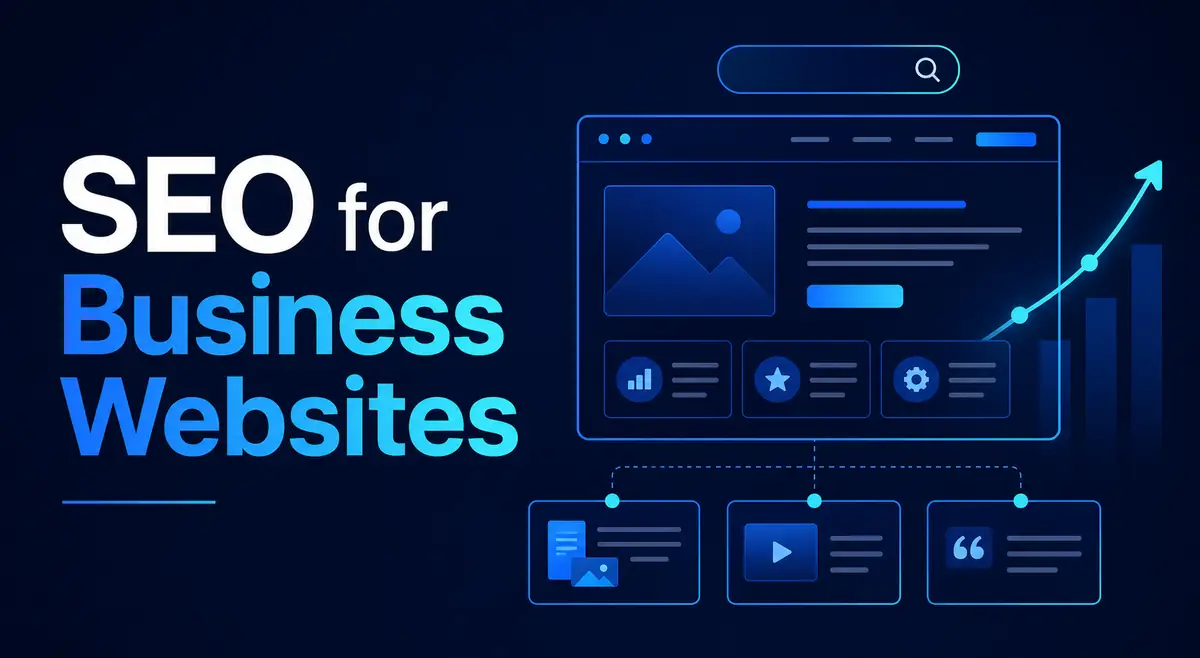
SEOSEO for Business Websites
Understand why search visibility still matters and how SEO connects content, structure, trust, and long-term growth.
Read Foundation Article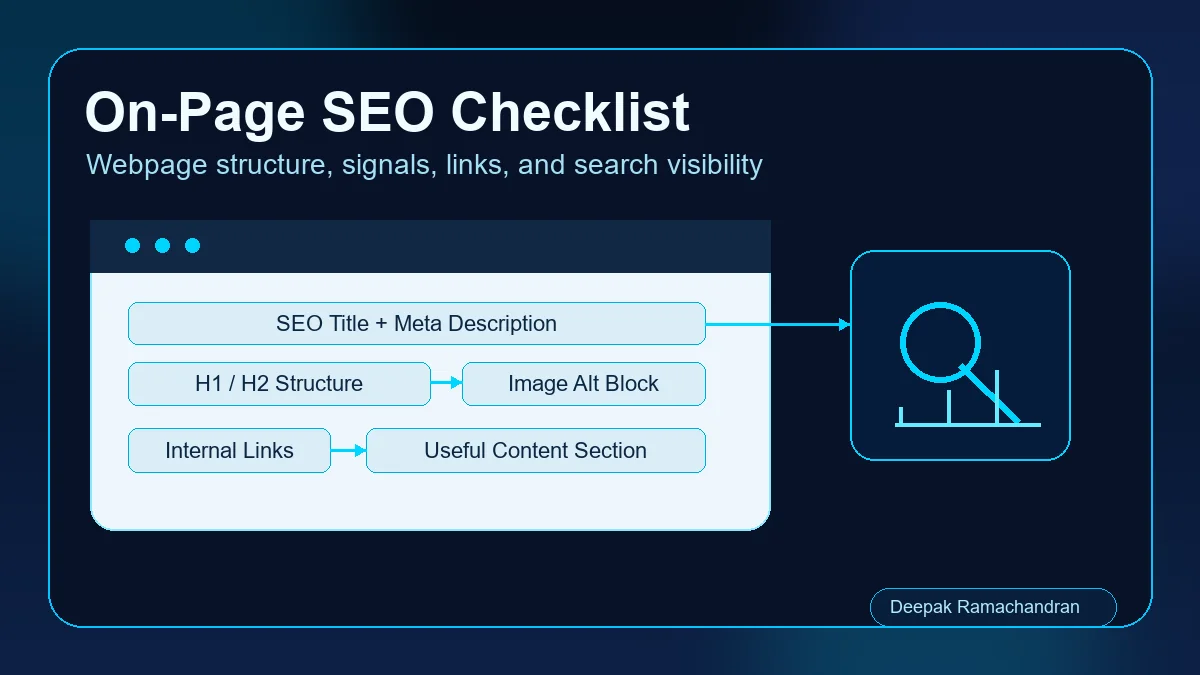 SEO
SEOOn-Page SEO Checklist
Review page-level SEO checks for titles, headings, content structure, internal links, image alt text, and clearer relevance.
Read Article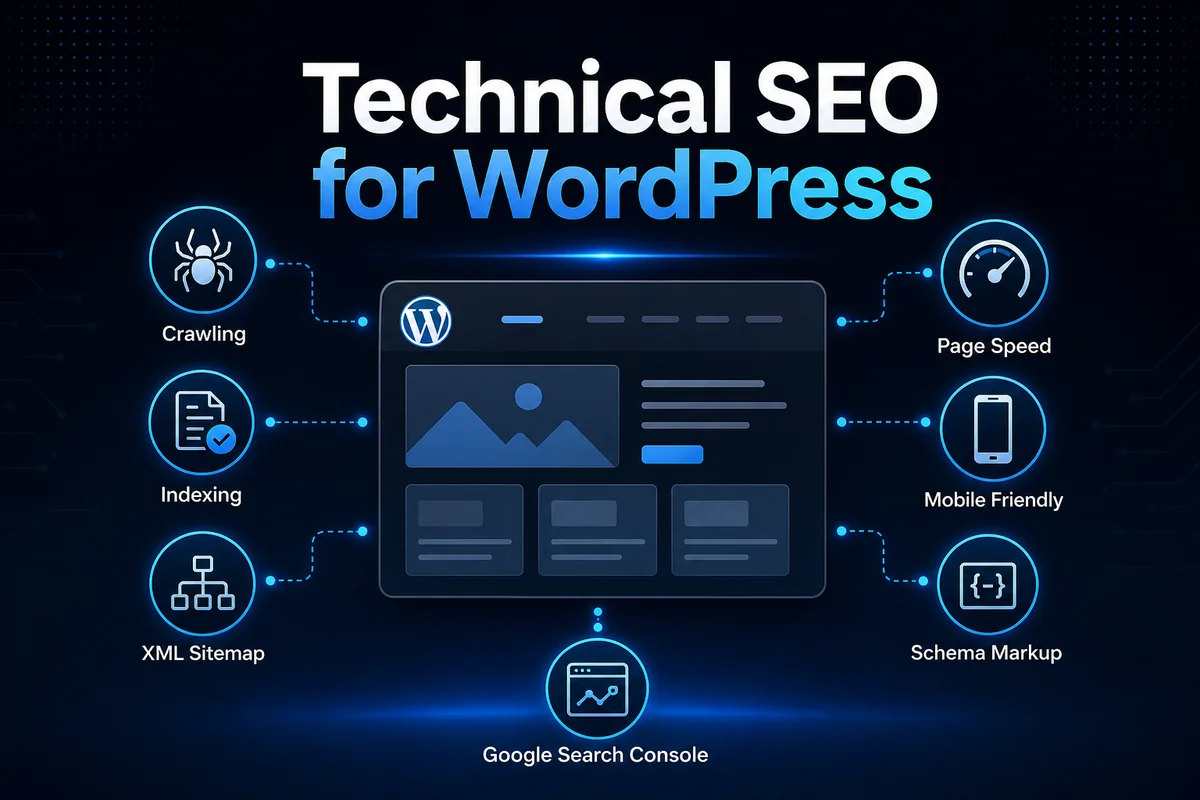 SEO
SEOTechnical SEO for WordPress
Learn practical WordPress technical SEO checks for crawling, indexing, sitemap structure, speed, schema, and cleaner visibility.
Read Article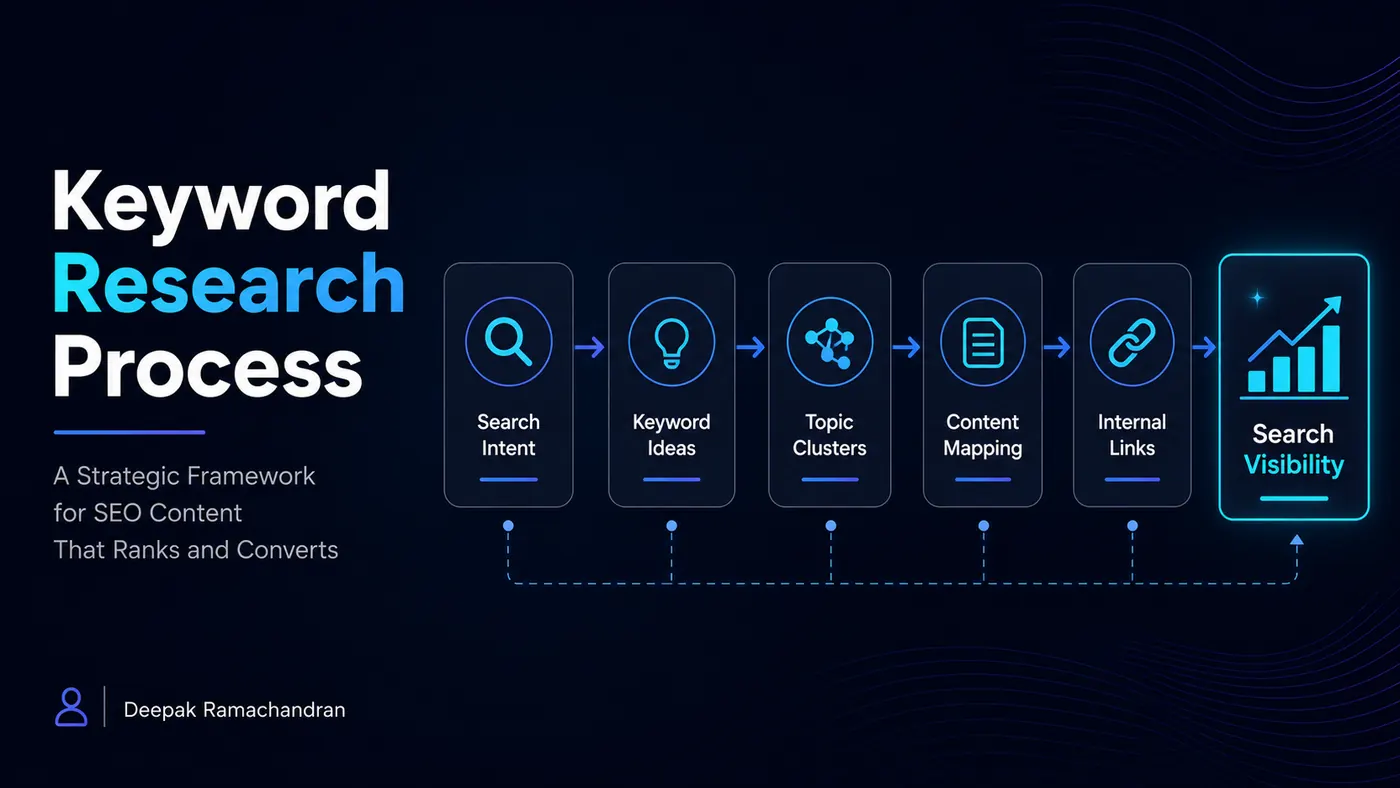 SEO
SEOKeyword Research Process
Follow a practical process for search intent, keyword grouping, content mapping, SERP analysis, and internal linking.
Read ArticleContinue Exploring SEO and Digital Growth
Continue to the Performance Marketing or Social Media Marketing resource hubs when the next topic involves paid advertising, campaign measurement, landing pages, CRO, audience strategy, content systems, or social media growth.
Keep this Hub focused on organic search visibility, website structure, WordPress SEO, local discovery, and connected SEO resources. For a project-specific discussion, use the Services or Contact page.